
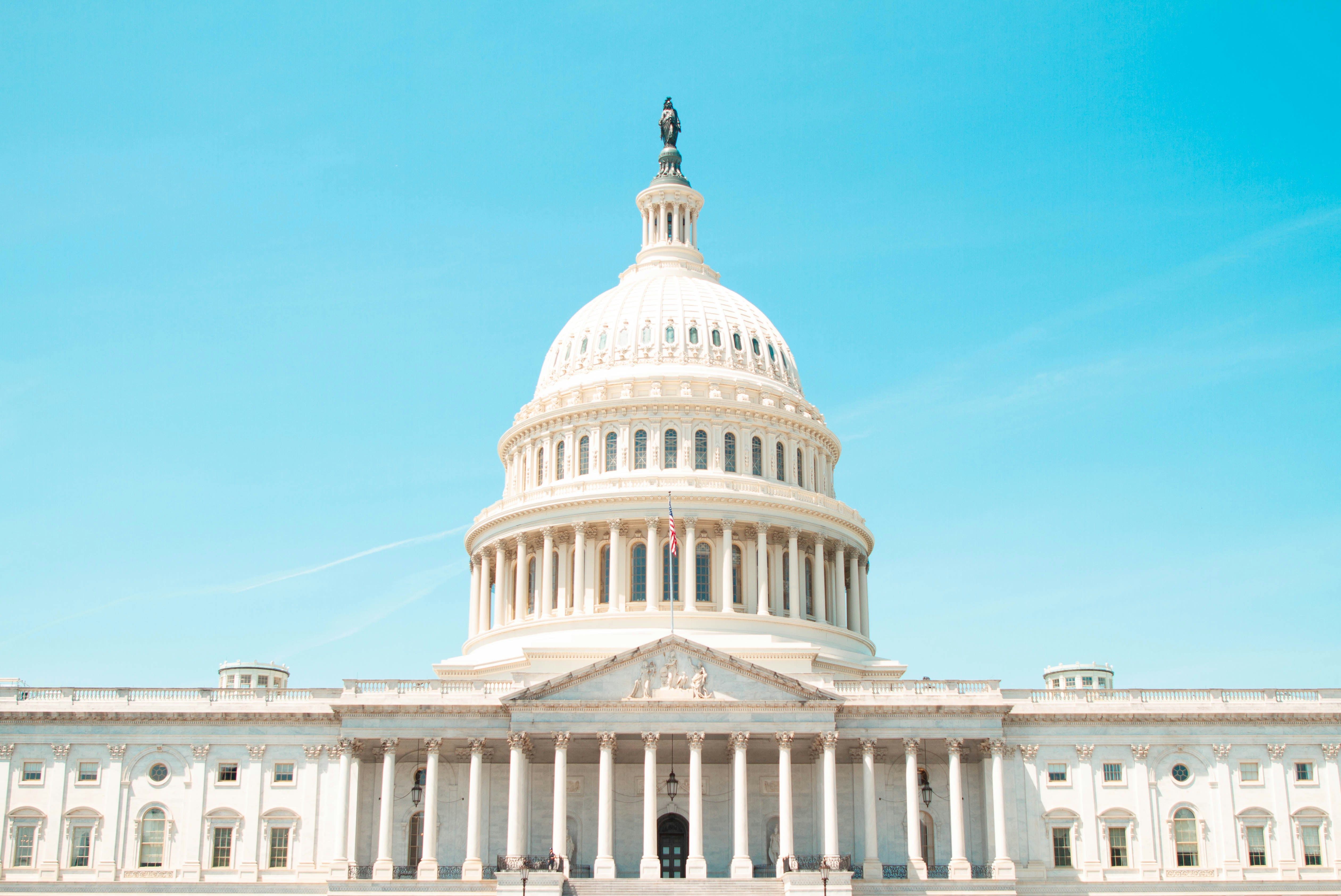
4 Reasons to Visit Washington DC with your special need’s kids.


- An incredibly accessible destination for special needs kids and their families.
- The attractions owned and operated by the US government are FREE! (All my frugal friends out there will understand why that is listed near the top!) Note: privately owned attractions are plentiful, but can be pricey.
- Attractions appeal to kids of varied interests and to their individual smarts (what they are good at).
- Children have places to use their minds to learn; to use their funny bones to be entertained and to use their muscles to play.
Washington DC has planned for and structured transportation and attractions so that it is an accessible destination that can be enjoyed by special needs kids living with physical, sensory, or cognitive struggles. Disabilities for which they have accommodated include the wheelchair user, hearing impaired/deaf, colorblind, and sensory-sensitive.
I was doubly impressed by the city having also taken into consideration elderly adults with dementia or memory loss!
I did not get a chance to participate in the programming for older adults experiencing memory loss but these progtams would most likely apply to kids with lower levels of cognition.
Let’s dive right into the particulars!
Transportation and Mobility

The easiest way to get around Washington DC is the Metro. This transportation system is quite accessible for wheelchair users or mobility impaired people. A downloadable guide to accessible transportation options can be found on the https://washington.org/accessibility .
Attractions
Washington DC planners have made attractions and institutions accessible to special needs adults and children of all manners of disabilities. Specific information about accessibility and accommodations for the destinations around town and nearby can be found on the website about Smithsonian Museums, Monuments, memorials, sports arenas.
Wheelchair or stroller users are given an Elevator Assistance Request. This is used when in a museum or building, such as the Capital building. lead by a tour guide. The tour can move from the first floor to the second or third. Since I use a wheelchair, I was given the request form to use the elevator instead of taking the stairs like other visitors. When I arrived on the next floor in the tour after taking the elevator, the attendant outside the elevator looked at the request and directed me to my tour guide. This was super helpful since the tour guide was not always in my line of sight after getting off the elevator.

Special Programming at Selected Destinations
Especially helpful is the special programming for people who live with memory loss or dementia or children with disabilites including deafness, sensory-sensitivity, cognitive processing difficulties, or color blindness.
- National Gallery of Art-Provides interactive, discussion-based experiences for people with memory loss and their care partners. First Tuesday of each month from 1- 2:30 p.m. EST, Email access@nga.gov or call (202) 842-6905
- International Spy Museum-SPY with Me is an interactive virtual program for individuals living with dementia and their care partners. Fourth Tuesday of every month from 2-3 p.m. Email Shana Oltmans at soltmans@spymuseum.org.
- O Museum in the Mansion–ASL Secret Door Tour: A tour in ASL for the chance to explore the O Street Mansion and Museum, where visitors can explore this historic building and find secret doors while walking in the footsteps of presidents and freedom fighters, historians and fiction writers. Multiple dates available. Book tickets online for tours.
- U.S. Botanic Garden-Color blind glasses: Available for rental in the Conservatory lobby. These glasses are engineered to give those with color blindness the ability to see more of the broad spectrums of bright colors on display all over the U.S. Botanic Garden. Indoor and outdoor lenses, as well as youth sizes, are available to optimize the experience for every kind of visitor. Daily. Provide valid driver’s license or government-issued picture ID card.
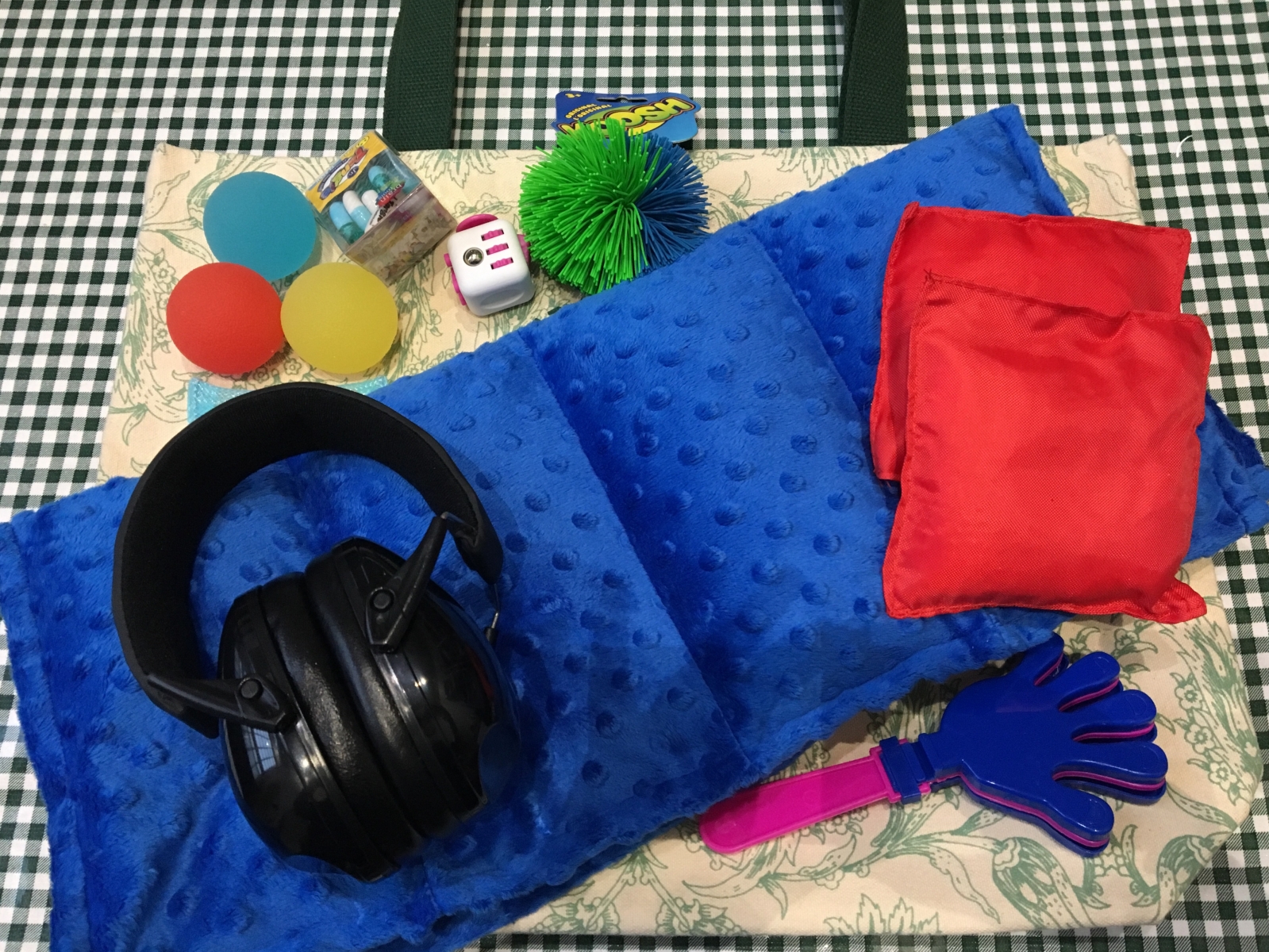
- Sensory bags and accessories-Available for rental in the Conservatory lobby. Items include noise-reducing headphones, weighted lap blankets and a selection of fidgets to help ease sensory stimulation. These resources are also available for all public programs hosted by the U.S. Botanic Garden. A general sensory tip sheet also provides an overview of the different areas of the indoor Conservatory. Daily. Provide valid driver’s license or government-issued picture ID card.
- Morning at the Garden & Evening at the Garden (Sensory-Friendly): Quarterly early openings provide museum access to individuals with cognitive and sensory processing disabilities and their families. The events include early entrance for registered participants, pre-visit materials and a take-a-break space. These programs are coordinated in conjunction with current exhibits at the Botanic Garden. Contact USBGaccessibility@aoc.gov for program details.
- LEGO Discovery Center–Sensory-Friendly Mornings: This Autism Acceptance & Awareness event for sensory-sensitive individuals takes place at 10 a.m. on the first Wednesday morning of each month through the end of the year. Lighting and sound are reduced and distracting stimuli is disabled for the first hour of the day. First Wednesday of each month at 10-11 a.m. Tickets are available online.
- ASL/Language Services-For travelers in need of language support and interpreting, download the Jeenie app on your smartphone or iPad for 24/7 assistance, including on-demand American Sign Language interpreting via video-chat.
Planning

- Taking advantage of the special programming selected destinations in and around DC requires booking tickets or making reservations 1-7 months in advance.
- Make tentative plans for the sites you plan to visit. Some of the museums and monuments, although free, require a reservation or timed entry. This is especially true for peak seasons.
- Visit one museum per day. Consider starting with the Museum of Natural History. kids love it! It has dinosaur bones, live bug exhibits, a giant whale hanging from the ceiling, an aquarium with a coral reef and some much more to excite kids’ imagination and curiousity!
- Bring a backpack full of snacks. The mall where most of the memorials and monuments are located offer very limited food options. There are a few food trucks but tend to be pricey. Plus, if your child has food allergies or restrictions, a food truck will not have what they can eat.
- Consider lodging located near a Metro station. If you think your kids will need a midday break or a nap during the day, it may be best to stay in a hotel in town. The cost is higher, so you’ll have to weigh the increased cost to the needs of your family.
- Wheelchairs or strollers are a must if your child is easily fatigued, has difficulty walking long distances. The distances between museums, monuments, or other attractions can be quite long way for little legs.
- If your child requires medications or uses medical devices or is medically complex, consider notifying your child’s pediatrician and medical insurance company of your upcoming trip. Request a letter from your doctor outlining your child’s medical history, need medications, medical allergies, and medical supplies or equipment. Also consider locating the Emergency room and a pharmacy closest to your lodging.
- If your child struggles with social appropriateness or anxiety, use social stories to prepare for the various aspects of the trip, such as riding on a plane, going to the zoo, staying in a hotel or going on a road trip Teachers Pay Teachers has several available at a reasonable price. https://www.projectplaytherapy.com/learning-resources/going-on-a-roadtrip-social-story/. (Note: as a mom of and a Speech-Language Pathologist working with special needs kids, I have found most supports designed for these kids are beneficial for ALL kids.)

As you know, some days of the traveling are going to make you think vacations are not worth the packing, preparing, adjusting, melt downs, tantrums or frustration!
From a persevering perspective, these moments can be the training ground for your child ability to communicate needs appropriately, practice patience, and manage emotions with support.
In 5 years, most of the those moments will only be a vague memory. The memories of fun times together will be one chapter after another in the story of your family.


Have you travel with your special needs kids to Washington DC? What tips or suggestions would help other families have a great time making memories?






Leave a Reply